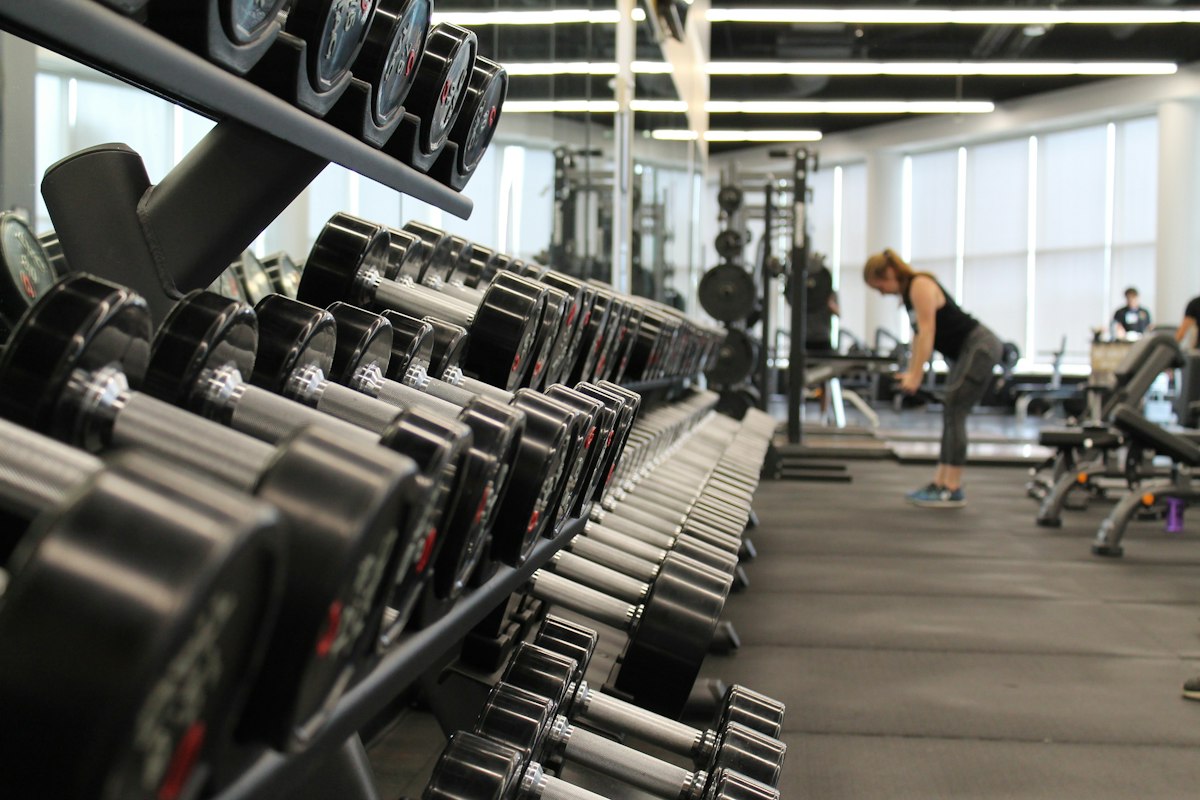
Weight Lifting
Weight lifting, also known as resistance training, involves lifting weights to build muscle strength, power, and endurance. It's a fundamental component of any fitness program, offering benefits for athletes and beginners alike.
About Strength Training
Strength training builds muscle mass, increases metabolic rate, and improves bone density. It is one of the most effective ways to transform your body composition, enhance athletic performance, and support long-term health. At Titan Fitness Club, our strength programs are designed by certified coaches for all levels.
Benefits of Weight Lifting
Muscle Growth
Progressive overload stimulates muscle hypertrophy and builds lean mass.
Increased Strength
Regular training leads to significant strength gains in all major muscle groups.
Metabolism Boost
More muscle mass burns more calories even at rest, aiding weight management.
Bone Density
Resistance training strengthens bones and reduces the risk of osteoporosis.
Key Compound Movements
- Squat – the king of lower body exercises targeting quads, hamstrings and glutes
- Deadlift – a total body movement for posterior chain development
- Bench Press – primary chest, shoulder and tricep builder
- Overhead Press – develops shoulder strength and stability
- Barbell Row – builds a strong, thick back and improves posture
Training Principles
Effective strength training relies on progressive overload — gradually increasing the weight, reps, or sets over time to continually challenge your muscles. Rest periods of 2–3 minutes between heavy sets allow for full recovery and optimal performance.

Bodyweight Training
Bodyweight training uses your own body weight as resistance, making it accessible anywhere without equipment. It's incredibly effective for building functional strength, improving body control and developing a lean, athletic physique.
Core Bodyweight Exercises
- Push-ups – builds chest, shoulders, and triceps while engaging the core
- Pull-ups/Chin-ups – one of the best upper body pulling movements
- Dips – targets chest and triceps with bodyweight resistance
- Pistol Squats – advanced unilateral leg exercise for strength and balance
- Plank variations – develop core stability and endurance
- Burpees – full-body conditioning that combines strength and cardio
Benefits
Train Anywhere
No gym or equipment needed — train at home, outdoors, or while traveling.
Functional Strength
Develops real-world strength and body control for everyday movements.

Resistance Band Training
Resistance bands provide a versatile and joint-friendly alternative to traditional weights. They create constant tension throughout the full range of motion, which can lead to excellent muscle activation and growth.
Why Use Resistance Bands?
- Constant tension throughout the movement for better muscle activation
- Lightweight and portable — perfect for travel workouts
- Excellent for rehabilitation and injury prevention
- Can be combined with free weights for enhanced training stimulus
- Multiple resistance levels to progressively challenge your muscles
Best Resistance Band Exercises
Banded squats, rows, chest presses, lateral raises, bicep curls, and glute bridges are among the most effective exercises using resistance bands. Our trainers will guide you through proper form and band selection for your fitness level.